MySignalForge
Business Gifts & Sponsorship Malaysia: Is It Tax-Deductible?
Unsure how to document gifts or sponsorship? Work through e-Invoice evidence and four illustrative tax-deduction cases. Check your payment before claiming.

Share
On this page13 sections
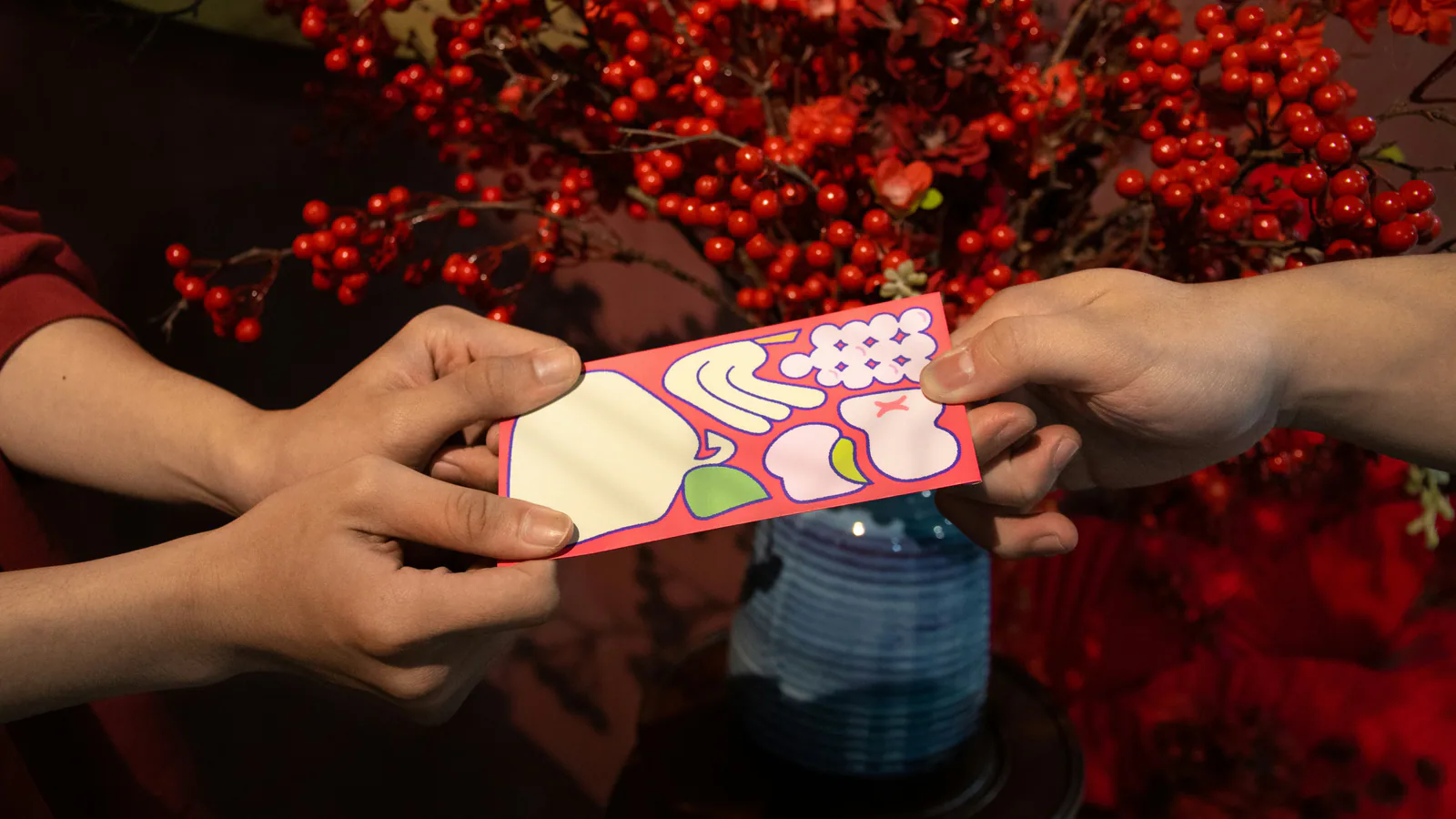
A few days ago, over dinner with friends who work in logistics and wholesale in Klang, we discussed three familiar relationship expenses: a festive ang pow for a customer’s staff, a contribution to the customer’s annual dinner, and a flower basket bought for a new shop opening.
All three might reach the entertainment expense ledger. They do not follow the same invoicing route. The ang pow recipient may not have supplied anything; a dinner sponsorship depends on who receives the money and what the sponsor gets; the flower basket is a purchase from a florist. Issuing a self-billed e-Invoice for all three would describe different events as if they were the same transaction.
Finance has two separate questions: what invoice or other evidence belongs to the payment, and how much—if anything—is deductible for income tax? A validated e-Invoice does not answer the deduction question by itself.
- Separate the three types of payment
- Understand when self-billing is allowed
- Check who received a festive ang pow
- Read the annual dinner sponsorship agreement
- Keep the florist’s sales document
- Calculate four illustrative deductions
- Collect documents before paying
- Fix gaps discovered at month-end
Separate the three types of payment
Start with what actually happened, then identify who should issue the document.
| Payment | First question | Usual document route | Separate income-tax question |
|---|---|---|---|
| Festive ang pow to an employee | Is it pay, a benefit or a personal gift? | Employment income currently does not require an e-Invoice; retain payroll and approval records | Employee-benefit treatment and applicable restrictions |
| Ang pow to a customer’s employee or another outsider | Did that person actually supply goods or services, or was this a gift? | Do not invent a self-billed transaction merely to substantiate a gift | Business-income connection and entertainment limits |
| Sponsorship of a customer’s annual dinner | Which legal entity receives the money, and what rights does the sponsor receive? | The party receiving payment and supplying any rights issues the applicable document | Whether a cash contribution satisfies deduction conditions |
| Flower basket or hamper bought from a shop | Who sold the goods, and what was delivered? | Seller’s e-Invoice, ordinary receipt or other document applicable to that seller at the time | Business purpose and deductible proportion |
Section 8.3 of the IRBM Specific Guideline v4.9 limits the circumstances in which a buyer issues a self-billed e-Invoice. Purchase evidence, internal approval and income-tax deductibility require separate checks.
No supplier invoice does not automatically permit self-billing
Section 8.3 covers specified transactions, including payments to certain agents, dealers and distributors, purchases from foreign suppliers, certain interest payments, and transactions with individuals who are not conducting a business. The buyer still needs a real underlying transaction. A supplier without SSM registration, a handwritten receipt or a supplier not yet required to implement e-Invoicing does not automatically give the buyer permission to self-bill.
Example 13 of the Specific Guideline is close to a routine SME purchase. An employee buys cupcakes for a customer meeting from a roadside stall. The stall has not yet been required to implement e-Invoicing and gives a handwritten receipt. The company is neither required nor permitted to issue a self-billed e-Invoice for this expense; the receipt can still support the claim.
If a florist has not supplied an e-Invoice, check its implementation position and sales records first. Do not transfer the florist’s invoicing role to your own company simply because you want a tax deduction.
The Entertainment Expense Public Ruling No. 4/2015 then asks whether the expense was incurred to produce business income and how paragraph 39(1)(l) applies. Depending on the facts, an entertainment expense may be fully deductible, 50% deductible or not deductible. The invoice alone does not settle that result.
For a festive ang pow, identify the recipient and purpose
The envelope may look identical, but the recipient’s role changes the analysis. Where the company treats a payment to its own employee as salary or a benefit, Section 1.6.7(a) of the General Guideline v4.8 currently puts employment income outside the e-Invoice requirement. Finance still needs a recipient list, approver, payment date, amount and payroll treatment. The e-Invoice exclusion does not remove other employment or tax duties.
Where the recipient is a customer’s employee, a porter or another outsider, ask whether that person actually did work for the company. If the company simply gave RM50 or RM100 as a festive gift and bought no goods or services, it should not relabel the payment as consulting or labour. An invented service description would conflict with the approval and payment records.
If an outside individual really performed work and does not conduct a business, then consider the individual-transaction route in Section 8.3(f). Describe the actual service, date and amount. The general TIN EI00000000010 is available only in the data combinations permitted by the guideline; it cannot replace a recipient who never existed in the records.
If recipient details are missing, record what can honestly be established and ask the tax adviser whether the cost is deductible. A validated but untrue self-billed document cannot create the missing commercial purpose.
A customer’s annual dinner sponsorship depends on what is supplied
A bank transfer marked “sponsorship” can mean several things. The customer’s company might receive a contribution without promising anything. Another arrangement may put the sponsor’s logo on a backdrop, provide seats at the dinner or sell an advertising package. Those are different arrangements, even if the bank narration looks the same.
Before paying, request a sponsorship letter or package describing:
- The receiving legal entity and bank account
- Event name, date and organiser
- Amount and payment conditions
- Tables, logo exposure or other benefits received
- The party responsible for a receipt or e-Invoice
If the recipient supplies advertising or event benefits, ask it to issue an e-Invoice reflecting what it actually supplies under the applicable rules. For a genuine donation or contribution, check the IRBM donations and contributions FAQ. Its Q4 says a donor does not self-bill a donation to a charitable organisation without income-tax exemption; Q1 also generally excludes donations received by such a non-exempt person from e-Invoice issuance. Where the recipient is required to issue e-Invoices for monetary donations, Q2 distinguishes an individual e-Invoice requested by the donor from an applicable consolidated e-Invoice when none is requested. Identify the recipient’s status before selecting either route.
A late invoice from a customer company does not create a new Section 8.3 self-billing category. Follow up with the recipient, establish its implementation status, and refer unresolved treatment to the tax adviser.
The tax deduction needs its own review. The Public Ruling’s table gives a cash contribution to a customer’s annual dinner as an example that fails the subsection 33(1) business-income test. A customer connection alone is no basis to assume that 50% is deductible.
The florist remains the seller of a flower basket or hamper
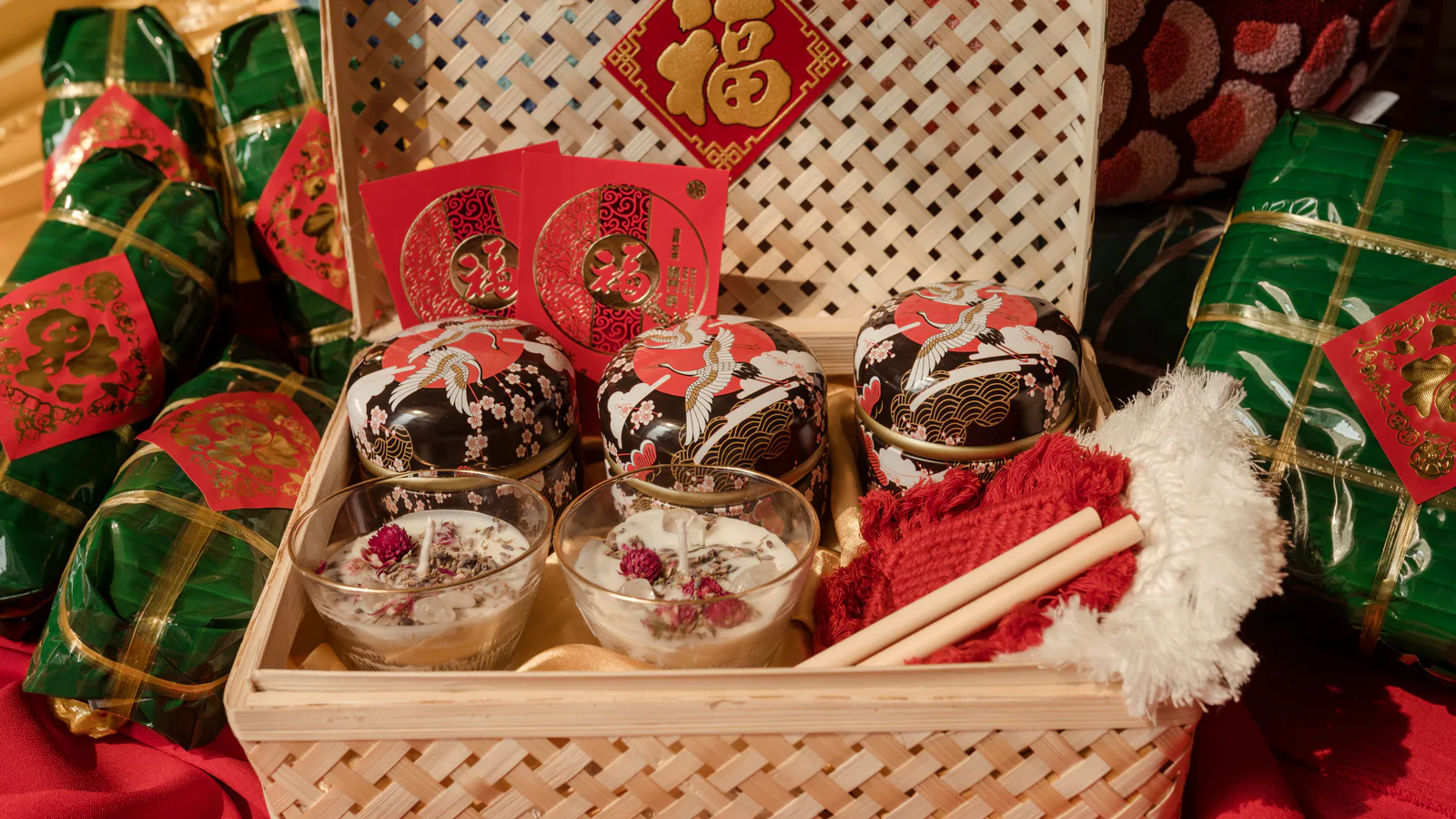
Suppose the company buys a RM480 flower basket. The florist is the seller and issues an individual e-Invoice, an ordinary receipt associated with the applicable consolidated route, or another document permitted at its implementation stage. Keep the order, delivery evidence and payment record.
Giving the basket to a customer’s new shop does not turn the florist’s sale into a self-billed transaction between the company and the customer. The customer received a gift; the florist supplied the goods.
For income tax, Public Ruling No. 4/2015 Example 12 concerns flowers given to a customer opening a new branch. On the example’s business facts, only 50% of the entertainment expense is deductible. Example 11 applies the same 50% result to festive hampers for customers.
Promotional gifts bearing the company’s logo may have a different outcome: the Public Ruling gives a 100% deduction for gifts satisfying a relevant proviso. The actual gift, distribution and purpose must meet its conditions. Adding a logo after purchase cannot retrospectively change the character of every expense.
Four illustrative payments: calculate the deduction separately
This hypothetical calculation draws on the Public Ruling examples. It is a way to show why a complete invoice file is only the first step. A tax adviser should review the law for the relevant assessment year and the company’s actual facts.
Suppose a company makes these four payments in one month:
| Payment | Amount | Illustrative treatment | Illustrative deduction |
|---|---|---|---|
| Pure cash contribution to a customer’s annual dinner | RM3,000 | As in the Public Ruling’s cash-contribution example, fails the business-income test | RM0 |
| Festive hamper for an existing customer | RM1,200 | Example 11: 50% | RM600 |
| Flowers for a customer’s new shop | RM480 | Example 12: 50% | RM240 |
| Company-logo promotional gifts meeting the example’s conditions | RM600 | Assumed to qualify for the 100% category | RM600 |
| Total | RM5,280 | Item-by-item review | RM1,440 |
Applying a blanket 50% to RM5,280 would produce RM2,640—RM1,200 more than the item-by-item illustration. The difference comes from the cash dinner contribution and the qualifying logo gifts being treated differently.
The florist’s e-Invoice can show RM480 while the illustrative tax deduction is RM240. The accounts, invoice record and income-tax working paper describe different aspects of the same purchase.
Collect the purpose, recipient and supply documents before paying

Relationship expenses often reach finance after the event. The flowers have been delivered, no one can reconstruct the ang pow list, and the sponsorship package survives only as a WhatsApp screenshot. Request the evidence before the payment instead.
| File | Retain | Question it answers |
|---|---|---|
| Approval | Requester, business purpose, recipient, amount, approval date | Why did the company pay? |
| Transaction | Quote, sponsorship letter, order, gift details, event benefits | What did it buy or support? |
| Recipient | Legal entity or individual identity, bank account, receipt of funds | Who actually received the money? |
| e-Invoice | Supplier document, ordinary receipt, validation UUID or genuinely applicable self-billed document | Who bears the invoicing duty? |
| Tax working paper | Subsection 33(1) assessment, paragraph 39(1)(l) category, adviser conclusion | How much is deductible? |
The three expenses discussed over dinner in Klang make me think the recipient and event purpose should be checked before funds leave the company. The e-Invoice rules identify transaction roles; the Public Ruling asks for an item-by-item deduction analysis. Waiting until tax filing leaves finance with a bank transfer and a hard-to-test claim about “customer relationships.” That is a practical inference from these sources, not an IRBM rule requiring this particular table.
What if the document gap appears at month-end?
The florist gave only an ordinary receipt
Check when that seller was required to implement e-Invoicing. Specific Guideline Example 13 shows that an existing receipt can still be used when the supplier has not yet entered its mandatory phase. If the seller is already in scope, request its applicable document. The buyer should not issue a replacement self-billed invoice merely for convenience.
The company already self-billed a payment to a customer company
Check whether the transaction genuinely falls within Section 8.3. If self-billing was used only because the recipient had not invoiced, do not repeat the practice. Have a tax or e-Invoice specialist assess the validated document’s status and the permitted cancellation or adjustment window.
There is no ang pow recipient list
Keep the existing approval, withdrawal and distribution evidence, and note what can actually be identified. Do not borrow another person’s IC or invent a service. A tax adviser can assess whether an add-back is needed from the available evidence.
Only a bank transfer supports the sponsorship
Ask the organiser for the sponsorship letter, payment acknowledgment and promised benefits. If the file remains incomplete, mark it unresolved rather than automatically claiming a 50% or 100% deduction.
At close, match payment to the actual supply and record the deduction basis in the same working paper. That gives a reviewer a path from the recipient through to the tax treatment.
Related guides
- Malaysia e-Invoice guide for 2026
- Self-billed e-Invoice audit risks
- Common SME expense checks
- Donations, NGOs and sponsorship
- Freelancers without SSM registration
Share
Keep exploring