MySignalForge
Hardware Shop e-Invoice Malaysia 2026: Contractors, RM10,000 and Consolidation
See when a Malaysian hardware shop can consolidate walk-in receipts, when a contractor needs an individual e-Invoice, and how the RM10,000 rule and interim relaxation change a building-material sale.

Share
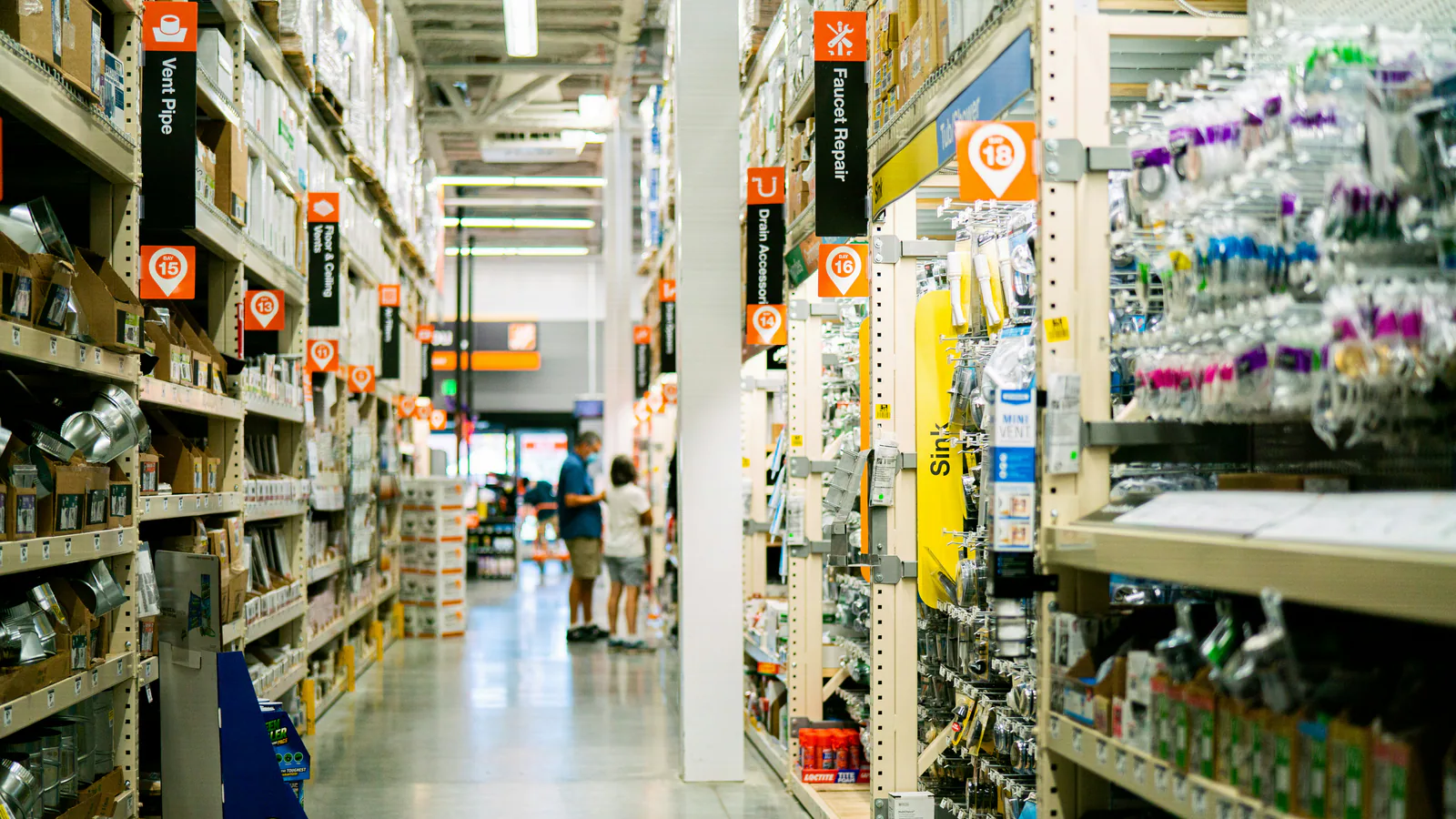
A hardware shop sells a packet of screws for cash in the morning and gives the customer a receipt. In the afternoon, a renovation contractor buys a drill, paint and wiring and asks for an e-Invoice in the company’s name. Before closing, the shop receives a RM12,500 building-material order from a buyer who says no invoice is needed.
These are three sales at the same counter, but they do not all follow the same e-Invoice route. The screws may enter the monthly consolidated e-Invoice. The contractor’s request calls for an individual e-Invoice. The RM12,500 order needs a check against the single-transaction restriction and the seller’s own interim-relaxation eligibility.
The practical answer is to separate what was sold from how this particular sale must be documented. The IRBM Specific Guideline v4.9 and its Table 3.6 restrict construction contracts under the ordinary consolidation rules; they do not make every retail sale of cement, wire or screws an individual-invoice transaction. The IRBM construction-industry FAQ, updated 6 January 2026 specifically says that, for its example of construction materials sold to related companies, the supplier can issue a receipt and later consolidate where the buyer has not requested an e-Invoice.
- Distinguish the construction-material code from an invoicing rule
- Route four counter situations
- Separate product sales from construction contracts
- Apply the RM10,000 single-transaction threshold
- Check whether interim relaxation changes the answer
- Handle a buyer’s later request
- Reconcile the month-end receipt groups
- Walk through the three sales
- Set up a POS route that survives rule changes
Construction materials are a product classification, not an automatic invoicing route
Older material on the web treated certain construction-material sales as ineligible for consolidation. That is why a hardware seller may still see a blanket “building materials must be individual” instruction. But the current Specific Guideline v4.9 lists the execution of construction contracts by contractors, as defined under the relevant regulations, in Table 3.6. The construction FAQ’s fourth question separately describes a seller of building materials using a receipt and monthly consolidation when its related-company buyer makes no individual request.
The MyInvois classification code 005 labels construction materials. It helps describe the goods; it does not, by itself, answer whether the sale goes into an individual or consolidated e-Invoice.
| Source or field | What it answers |
|---|---|
Classification code 005 | What kind of goods or service is being reported |
| Specific Guideline section 3.6 | How eligible no-request receipts are consolidated |
| Specific Guideline Table 3.6 | Which activities and transactions cannot use ordinary consolidation |
| Construction-industry FAQ | How the stated material-sale and contractor examples are treated |
The shop still needs the buyer’s request, the commercial transaction value and the actual nature of the sale. If the shop also performs installation or construction work, read the agreement before assuming it is a plain goods sale.
Four counter situations need four checks

| Sale | Ordinary-rule route | Extra check |
|---|---|---|
| A DIY customer buys a small packet of screws and asks for no e-Invoice | Normal receipt, then consolidate if otherwise eligible | Any other restricted activity or transaction? |
| A contractor buys tools and materials and requests an invoice for its company | Collect buyer details and issue an individual e-Invoice | Correct legal buyer, TIN and registration details |
| A construction contractor bills a project owner for progress under a construction contract | Individual treatment under the construction-contract rule | Contract and work-certification documents |
| A buyer makes one RM12,500 retail-material order but asks for no invoice | Above the ordinary RM10,000 limit | Is the supplier eligible for section 16 interim relaxation on that date? |
Being a contractor does not automatically turn a personal hammer purchase into a construction contract. Conversely, an ordinary consumer’s single purchase above RM10,000 may need an individual e-Invoice even without a request once the supplier is outside an applicable relaxation period.
At checkout, ask whether the buyer wants an e-Invoice and flag a transaction over RM10,000. Let finance review project accounts, split deliveries and any mixed goods-and-services agreement.
A material sale and a construction progress claim are different transactions
When the hardware shop sells cement, pipes or wiring to a contractor, it records a sale of goods. When a contractor completes work and bills the project owner for a progress claim, it is charging under a construction contract. Both can concern the same building project, but the invoicing roles and supporting documents differ.
The IRBM construction FAQ also explains charges by contractors to subcontractors, progress claims with or without work certification, and a main contractor’s purchase of materials later included in its progress billing. The main contractor’s subsequent bill to the owner does not retroactively turn the hardware shop’s own goods sale into a progress claim.
| Record to inspect | Question for the hardware shop |
|---|---|
| Quotation and purchase order | Who is buying what, and is this one commercial order? |
| Delivery orders | Do separate deliveries fulfil one order? |
| Construction agreement or scope | Is the shop itself undertaking construction or installation? |
| Buyer e-Invoice details | Is the legal buyer the contractor, owner or another entity? |
Where installation and goods are mixed, write down the real scope and ask the tax adviser to review the agreement if the transaction type is unclear.
A single transaction over RM10,000 cannot use ordinary consolidation
Table 3.6 applies to any single transaction with a value exceeding RM10,000 from 1 January 2026 under the ordinary rules. “Exceeding” matters: exactly RM10,000 is not barred by this amount rule alone, whereas RM10,000.01 is. Other restrictions and buyer requests still need checking.
| Single-transaction value | Amount rule alone |
|---|---|
| RM9,999 | Does not cross the threshold |
| RM10,000 | Does not exceed it |
| RM10,000.01 | Cannot be ordinarily consolidated |
| RM12,500 | Needs individual treatment unless an applicable relaxation changes the route |
If one RM28,000 purchase order generates three receipts below RM10,000, do not decide from the receipts alone. Compare the quotation, order, delivery and payment terms to establish whether the commercial arrangement is one transaction or three independent purchases. The guideline does not announce a universal “sum every receipt from one buyer within X hours” formula; deliberately splitting a single deal would not make the underlying deal smaller. The RM10,000 rule guide examines the threshold in more detail.
Interim relaxation can temporarily change the RM12,500 outcome
Section 16 of the Specific Guideline provides an interim relaxation period for taxpayers with annual turnover or revenue up to RM5 million whose mandatory implementation date is 1 January or 1 July 2026. Table 16.1 runs the period through 31 December 2027. Section 16.2 permits eligible taxpayers to use consolidated e-Invoices for all activities and transactions, including those otherwise restricted by section 3.7, when the section’s conditions are met.
That means the example hardware shop may mark its RM12,500 sale interim-only and consolidate it if its own legal entity and transaction date qualify. After its relaxation period ends, the same kind of sale returns to the ordinary over-RM10,000 rule. “Small shop” is not enough evidence: record the legal supplier, implementation phase, turnover basis and period used for the decision.
An interim-only POS flag makes this difference visible at month-end and gives finance a list to retest before the relief expires. It is an internal control suggestion, not an IRBM-prescribed field.
A buyer can return within the transaction month
Under section 3.6.8, a buyer who first accepted a receipt can request an e-Invoice within the same month as the transaction. For a 30 September sale, a request that evening is still in September. A request on 1 October is outside that window; Example 5 shows a supplier declining a next-month request where the prior month’s receipt was already included in consolidation.
Print or display a clear request channel and monthly cut-off. When a valid request arrives, locate the receipt reference, remove it from the pending consolidated set, verify the buyer details and track the individual e-Invoice result. A validation failure belongs in a pending queue, not back under General Public. Section 3.8 lists possible channels such as QR codes, web forms and MyInvois Mobile; the shop can choose a workable option.
Reconcile receipts before submitting the month
For eligible no-request receipts, section 3.6.2 gives the supplier seven calendar days after month-end to submit the consolidated e-Invoice. Divide the POS export before adding it up.
| Working group | What belongs there |
|---|---|
| Individual | Buyer-requested invoices and transactions that require individual treatment under ordinary rules |
| Normal consolidated | No-request receipts eligible under ordinary rules |
| Interim-only | Transactions consolidated only because the supplier is eligible under section 16 |
| Pending review | Unclear buyer, amount, contract or validation status |
Reconcile counts and amounts with POS, while retaining separate cancellation, refund and credit-note trails. The guideline permits separate receipt summaries, consecutive receipt-number ranges and branch-level consolidation. A MyInvois submission can contain at most 100 e-Invoices, with a 5MB submission maximum and 300KB per e-Invoice; this is not a 100-receipt cap for one consolidated document.
The Consolidated e-Invoice Monthly Close Report helps check receipt references, groups, deadline and submission capacity. It does not decide the legal character of a construction contract.
One day, three outcomes
This is an illustrative case based on the stated rules, not a real shop ledger.
- Morning — RM8.50 screws. The buyer asks for no e-Invoice. The shop gives receipt
A1001; if no other restriction applies, finance places it in normal consolidated and retains the reference for next month’s submission. - Afternoon — RM2,800 contractor purchase. The contractor requests an e-Invoice for its company. Receipt
A1048stays out of consolidation. Finance checks the company’s name, TIN and registration number. If validation fails, the transaction stays pending for correction. - Before closing — RM12,500 material order. The buyer makes no request. Finance confirms this is one order and checks the supplier’s section 16 status. If eligible, it can be tagged interim-only and consolidated under that section. Otherwise the amount requires an individual e-Invoice.
The merchandise category cannot produce these three answers by itself. My reading of the construction FAQ, Table 3.6 and classification code 005 is that a POS should store the product classification separately from the per-transaction invoicing decision. That is a practical inference, not an extra legal requirement. It also makes later rule changes easier to implement without rewriting every SKU.
What the counter and finance team should retain
At checkout, record whether an e-Invoice was requested, the receipt reference and the buyer’s correct details where needed. Flag sales over RM10,000 and project orders for review. At month-end, separate the four groups above, resolve late buyer requests, reconcile sales and cancellation records, and keep quotation, order, delivery and validation evidence. Test the POS switch back to the ordinary rules before a relaxation period expires.
Related reading: walk-in retail and F&B, monthly consolidation, the Malaysia e-Invoice overview and choosing an e-Invoice system.
Primary sources: IRBM Specific Guideline v4.9, IRBM construction-industry FAQ, MyInvois classification codes.
Share
Keep exploring