MySignalForge
Shopee, Lazada and TikTok Shop e-Invoice: A Malaysia Seller's Reconciliation Guide
See who issues the buyer invoice, why a marketplace self-bills seller income, and how to reconcile sales, refunds, fees and bank payouts without recording only the net amount.

Share
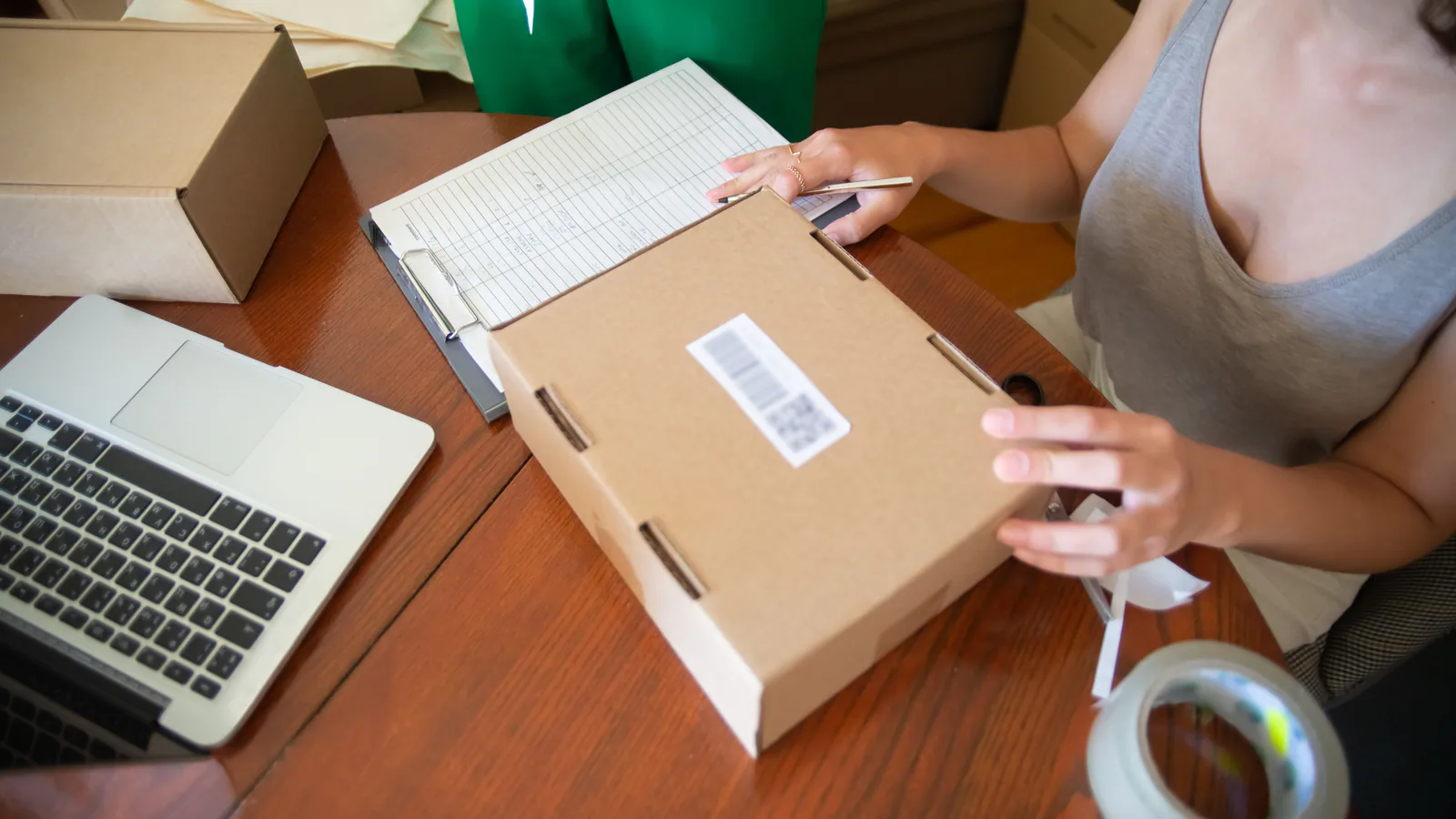
An online seller downloads a marketplace settlement report and sees three numbers for the same orders: what customers paid, what the platform deducted and what reached the bank. None of these numbers should automatically replace the others in the sales ledger. The platform may issue a document to the customer, a self-billed e-Invoice for the seller’s marketplace income and a separate e-Invoice for platform fees. The bank receives the net settlement after those items and any other adjustments.
IRBM’s Specific Guideline v4.9, section 14, separates the buyer, platform and merchant roles. This guide follows the existing Chinese article’s settlement example and shows how a seller can reconcile orders from Shopee, Lazada or TikTok Shop once the applicable e-Invoice phase applies. Each platform’s actual statement format, fees and document frequency must still be checked in the seller account. For the overall implementation dates and exemptions, see the Malaysia e-Invoice guide.
- Identify the three marketplace documents
- See who invoices the platform customer
- Separate marketplace and direct-store orders
- Reconcile an RM18,600 settlement
- Track refunds and later payouts
- Classify delivery charges by arrangement
- Run a five-step settlement check
- Keep records that trace a payout to orders
One marketplace sale can create three different tax-document records

The same platform appears in several positions. It takes the issuing role for the buyer-facing transaction under section 14.4; it issues a self-billed document for merchant income under section 14.5; and it is the supplier when charging the merchant for platform use under section 14.6. The direction of each document matters more than the logo at the top.
| What the record describes | Issuer | Seller’s role | What to reconcile |
|---|---|---|---|
| Customer’s platform purchase | Platform issues the customer e-Invoice or receipt | Merchant providing the goods or service; does not issue a duplicate to the same customer | Order, item, refund and buyer-request status |
| Merchant’s income from platform sales | Platform issues a self-billed e-Invoice | Supplier and income recipient | Covered period, seller TIN and sales amount |
| Platform commission or usage charge | Platform issues an ordinary e-Invoice to the merchant | Buyer of platform services | Commission, transaction fees and relevant tax |
| Platform payout to the bank | Bank and platform settlement records | Payee | Net payment and unsettled balance |
Section 14.5.5 lets a platform submit self-billed documents at its existing statement frequency, such as daily, weekly, monthly or every two months. The seller may therefore not find one self-billed document per customer order. Match the covered period and settlement batch before concluding one is missing. The platform-fee e-Invoice documents charges; the settlement report explains how those charges affected the payout. Keep both.
The platform invoices the customer for orders completed on it
Under sections 14.4.2–14.4.5, the marketplace issues an e-Invoice when its buyer requests one, or a receipt when the buyer does not. Subject to the applicable consolidation restrictions, the platform can aggregate no-request transactions monthly. The merchant is not required to issue another e-Invoice or receipt to that buyer for the same platform order.
This is a tax-document role, not a rewrite of the commercial contract. Section 14.4.2 expressly says the platform’s issuing role does not change the transaction’s commercial nature or liability. For the seller’s income record, section 14.5 identifies the merchant as Supplier and the platform as Buyer on the self-billed e-Invoice.
Buyer identification fields also depend on the type of person or business. Tables 14.1–14.3 distinguish MyKad, MyPR/MyKAS, foreign passport and other cases. For example, the applicable general TIN for a MyPR/MyKAS holder without an IRBM TIN differs from that for another foreign individual; a self-billed foreign individual supplier can require EI00000000030. A general TIN is not permission to invent or omit all other identity information. The platform should follow the current field rules and the actual details supplied.
If the seller puts the same marketplace order into its own direct-sales consolidated e-Invoice, its MyInvois records can show the income twice. The practical control is to tag the order’s issuing responsibility as soon as its channel is known, then exclude platform orders from the merchant’s direct B2C population.
Marketplace and direct-store orders belong in separate issuing pools
An order placed on the seller’s own website, WhatsApp channel or counter does not inherit the marketplace’s issuing arrangement. The seller must decide whether that buyer requested an individual e-Invoice and whether the transaction may be consolidated.
| Sales channel and request | Buyer-facing issuer | Records the seller keeps | Month-end treatment |
|---|---|---|---|
| Order completed on a marketplace | Platform | Order data, platform self-billed document, fee e-Invoice, settlement and bank receipt | Exclude from seller-issued customer invoices; reconcile platform coverage |
| Direct B2B order | Seller, subject to applicable rules | Business buyer details, order and payment | Issue the relevant individual document |
| Direct B2C order; buyer asks for e-Invoice | Seller | Buyer invoice details, order and payment | Issue individually; remove from consolidation |
| Direct B2C order; no buyer request | Seller first provides a receipt or ordinary order record | Receipt number, date, amount and refunds | Consolidate if the rules allow, within seven calendar days after month-end |
An internal order status such as platform-issued or merchant-issued is useful, but it is our workflow suggestion, not a mandatory IRBM field. Set it from the channel and order status rather than guessing from a payout’s platform name. For a direct B2C buyer who later requests an individual document, the transaction-month rules and any applicable interim relaxation also matter. The platform handles buyer requests for marketplace orders; the merchant should not create a second buyer document from a parallel data-collection form.
My inference is that an API integration should follow the issuing-responsibility decision, not determine it. If orders enter the wrong pool before submission, automating the submission merely repeats the classification error faster. A software provider and the person responsible for filing should confirm the actual mapping.
Reconcile an RM18,600 marketplace settlement
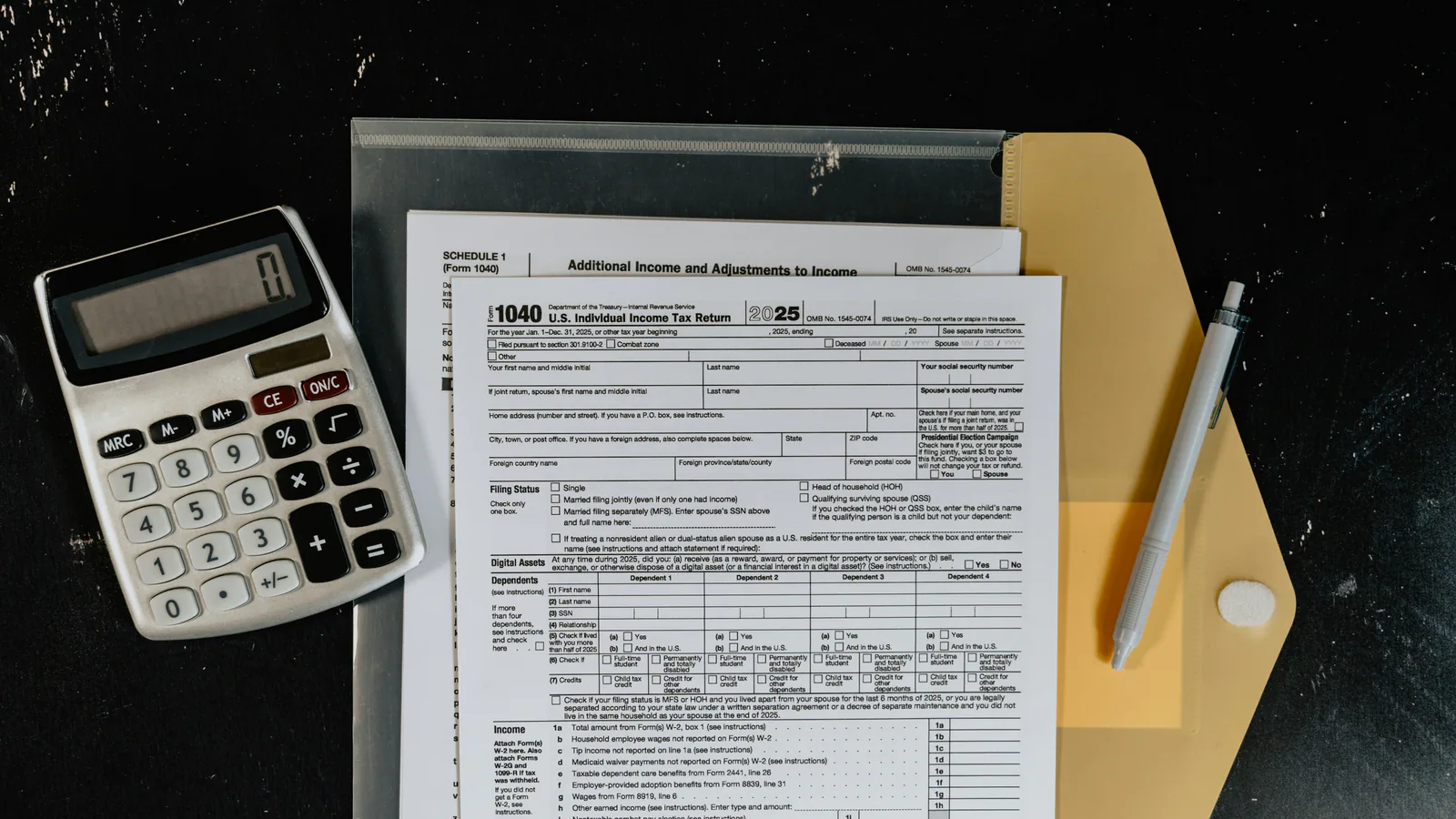
The following figures are hypothetical, retained from the Chinese article to demonstrate reconciliation. They are not a real marketplace’s fee rate or statement format. A seller downloads a batch with RM18,600 of completed orders and RM1,200 of customer refunds. The platform’s fee invoice lists RM1,044 commission and RM348 transaction fees. The bank receives RM16,008.
| Reconciliation step | Amount | Record to inspect |
|---|---|---|
| Completed orders | RM18,600 | Order export and platform sales report |
| Less refunds | RM1,200 | Refunds and order status |
| Sales after refunds | RM17,400 | Period and amount covered by the platform self-billed e-Invoice |
| Less commission | RM1,044 | Platform-fee e-Invoice |
| Less transaction fee | RM348 | Platform-fee e-Invoice |
| Expected bank payout | RM16,008 | Settlement report and bank statement |
The arithmetic ties: RM18,600 − RM1,200 − RM1,044 − RM348 = RM16,008. The accounting entries should still distinguish sales, refunds and platform costs. Recording RM16,008 as the whole batch’s sales would understate both the post-refund sales and the separately charged platform costs by RM1,392.
Suppose the bank instead receives RM15,658. Do not label the RM350 difference as commission without a document. Look for a platform reserve, a payment moved into the next batch, a delivery adjustment or an additional fee. If the statement shows a later payout, track it as unsettled until paid. If the platform charged another service, seek the fee e-Invoice or adjustment. A self-billed income document and cash settlement need not arrive on the same day, so match by covered period or batch rather than by bank date alone.
Refunds and cross-month payouts need a link back to the original record
A marketplace dashboard showing “refunded” does not automatically remove an already validated self-billed e-Invoice. Check whether the platform reflected the refund in the same statement, a later statement or an adjustment such as a self-billed Credit Note, Debit Note or Refund Note. The correct document depends on the change and the platform’s process.
| What changed | Check first | Keep in the reconciliation file |
|---|---|---|
| Order cancelled before it entered an income document | Order status and document coverage | Cancellation evidence and exclusion from sales |
| Refund after a self-billed income document | Platform adjustment and original UUID | Original and adjustment linked by order or batch |
| Extra platform charge | New fee e-Invoice or Debit Note | Expense separated from sales |
| Part of payout delayed | Unpaid line in the settlement | Open balance followed into the next batch |
The merchant cannot edit the platform’s validated self-billed document by changing a downloaded PDF in its ERP. Report a wrong seller name, TIN, period or amount through the platform’s merchant support or data-update process, retaining the correspondence and revised document.
Classify delivery charges from the service and money flow
Shipping may sit on the same settlement as the product. Whether the customer paid RM10 is only one fact. Check who supplied delivery, who paid the carrier, whether the amount entered the seller’s entitlement and whether the seller is recovering its own expense or merely passing another party’s charge through.
| Arrangement | Evidence to inspect | Reconciliation question |
|---|---|---|
| Customer pays the carrier directly; no delivery amount enters seller settlement | Carrier’s buyer document, order and payment record | Avoid putting someone else’s delivery fee into the merchant’s sale again |
| Seller arranges delivery in its own name and charges the customer | Order breakdown and seller’s delivery terms | The charge may form part of the seller transaction; confirm tax treatment |
| Platform deducts a shipping-related amount from seller payout | Platform or carrier fee document and settlement | Identify what was charged before assigning an expense account |
| Platform subsidises delivery | Promotion terms, order and settlement | Separate buyer payment, merchant cost and platform subsidy |
Promotions and delivery plans change these flows. A line labelled “shipping” does not by itself determine the accounting or e-Invoice result. Ask an accountant or tax adviser where the contract and documents leave the actual service supplier unclear.
Five checks for each settlement batch
- Export completed orders with channel, order number, item amount, refund and delivery detail.
- Split platform-issued and merchant-issued buyer documents. Do not send platform orders into the seller’s own B2C consolidation.
- Match the platform self-billed e-Invoice to seller name, TIN, registration details, covered period and amount. A statement period can contain many orders.
- Match every commission, transaction fee and other platform deduction to the fee e-Invoice or an explained exception.
- Bridge the settlement to the bank payout. Track refunds, reserves and later payments individually instead of sweeping all differences into commission.
A spreadsheet can do this for a small seller; software can import and match larger batches. Whichever route is used, sample at least one ordinary sale, one refund and one cross-period item. Trace each from order to validated document, settlement and bank. Only then can the batch be rechecked by another person. Our consolidated e-Invoice guide covers the merchant’s direct-sale month-end route. The software selection guide explains what to check before automating it.
Keep enough evidence to work backwards from the bank deposit
Section 82 of the Income Tax Act 1967 provides a seven-year business-record retention rule. Keep applicable order exports, marketplace statements, fee e-Invoices, self-billed documents, refund adjustments and bank records. A platform account may later close or limit old downloads; do not rely on today’s dashboard as your only archive.
Index by year, platform and settlement batch. Useful fields include period, statement reference, self-billed UUID, fee invoice number, payout date and unresolved amount. Someone starting with the RM16,008 bank deposit should be able to find the orders, refund and charges behind it. Keep platform and direct-store sales separate, and keep platform fees distinct from self-billed income. That makes the records usable if an accountant takes over or IRBM asks how a payout was built.
Related guides
- Malaysia e-Invoice guide for 2026
- TikTok Shop’s seller documents and payout
- Consolidated e-Invoices for direct retail sales
- Foreign advertising spend and self-billing
- Self-billed e-Invoice audit risks
Share
Keep exploring